When we talk about a personal growth journey, we refer to the ongoing process of self-improvement and self-discovery. This journey is not just about enhancing skills or achieving goals; it’s about understanding who you are at your core and what you truly want out of life. Knowing this can help you make informed choices that align with your values and aspirations.
Self-awareness plays a pivotal role in any personal growth journey. It is about recognizing your strengths, weaknesses, and patterns of behavior. To develop this awareness, consider using reflective practices. Journaling is a great way to explore your thoughts and feelings. You can also take personality assessments to gain insights into your character traits and tendencies. The more you understand yourself, the better equipped you’ll be to navigate the ups and downs of your growth journey.
Setting Clear and Strategic Goals
Once you have a grasp of your personal values and self-awareness, the next step is setting clear and strategic goals. This is where the SMART framework comes into play. SMART stands for Specific, Measurable, Achievable, Relevant, and Time-bound. By applying this framework, you can break down your larger ambitions into manageable steps that feel achievable.
For instance, instead of saying, “I want to be healthier,” you could set a goal like, “I will exercise for 30 minutes, five times a week, for the next three months.” This goal is specific, measurable, achievable, relevant to your desire for better health, and time-bound. Having such clarity not only gives you direction but also makes it easier to track your progress.
It’s also crucial to align your goals with your personal values and vision. When your goals resonate with what you truly value, you’ll find it easier to stay committed. Take time to write down your core values and consider how each goal connects to them. This alignment will not only motivate you but also provide a sense of purpose in your personal growth journey.
Developing a Growth Mindset
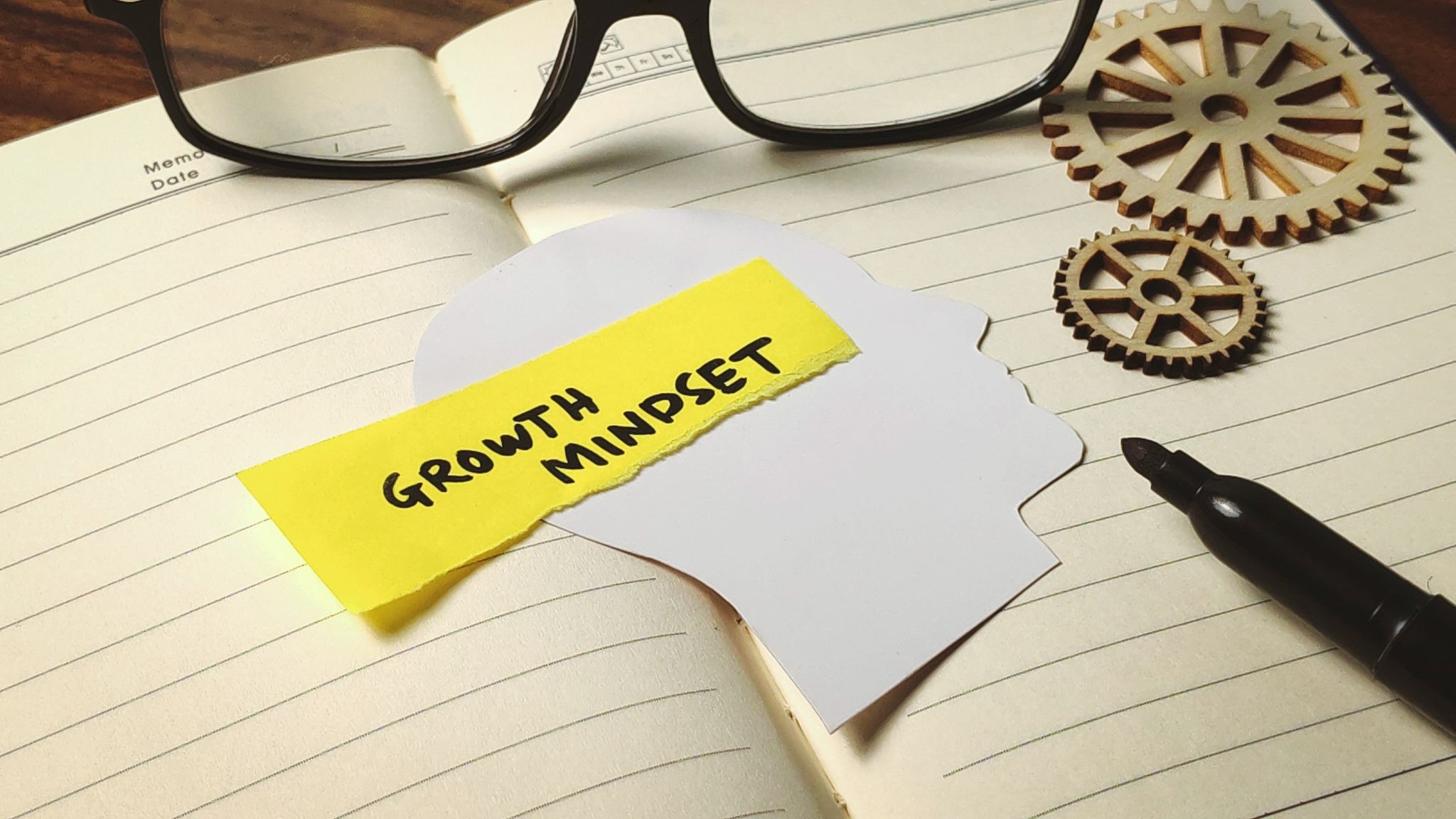
A key element of any personal growth journey is the mindset you adopt. A growth mindset, as defined by psychologist Carol Dweck, is the belief that you can develop your abilities through dedication and hard work. This mindset is essential for anyone looking to embark on a meaningful growth journey.
To cultivate a growth mindset, you should embrace challenges rather than shy away from them. When faced with obstacles, view them as opportunities to learn rather than as setbacks. For example, if you struggle with a new skill, remind yourself that persistence is part of the learning process. Seeking feedback from others can also provide valuable insights that help you improve.
Real-world examples abound of individuals who have successfully adopted a growth mindset. Take athletes, for instance. They often face failures and setbacks but choose to learn from them instead of giving up. By maintaining a focus on improvement, they continuously enhance their performance. Adopting a similar attitude can be instrumental in your personal growth journey.
Creating an Actionable Plan
Now that you have set your goals and developed a growth mindset, it’s time to create an actionable plan. This plan should break down each goal into smaller, manageable steps. Consider using project management techniques to outline your tasks and deadlines. For instance, if your goal is to write a book, your steps might include outlining chapters, setting daily word count targets, and scheduling time for revisions.
Another effective strategy is to utilize decision-making frameworks such as SWOT analysis or the Eisenhower Matrix. A SWOT analysis helps you identify your strengths, weaknesses, opportunities, and threats related to your goals. The Eisenhower Matrix allows you to prioritize tasks based on urgency and importance. These frameworks can guide you in making informed decisions about where to focus your energy.
Having a clear plan in place not only makes the journey less overwhelming but also allows you to celebrate small victories along the way. Recognizing these achievements can boost your motivation and keep you engaged in your personal growth journey.
Building a Supportive Environment
Creating a supportive environment is crucial for sustaining your personal growth journey. Surround yourself with individuals who uplift and inspire you. This could be friends, family, or colleagues who share your values and aspirations. Having a network of supportive people can encourage you when you face challenges and accountability to keep you on track.
Consider joining groups or communities that align with your personal growth goals. Whether it’s a book club, a fitness group, or a professional organization, being part of a community can offer additional resources and perspectives that enrich your journey. Engaging with like-minded people can also keep you motivated and open up new opportunities for learning and growth.
In addition to human support, utilize resources that facilitate continuous learning. Online courses, workshops, and books can provide valuable insights and skills that contribute to your personal development. Choose resources that resonate with your goals and values, ensuring they enhance your personal growth journey.
Measuring Progress and Adjusting Strategies
As you move forward, measuring your progress is vital to understanding how effective your strategies are. Establish key performance indicators (KPIs) relevant to your goals. For example, if one of your goals is to improve your public speaking skills, your KPIs might include the number of speeches given and feedback received from peers.
Regular assessments of your progress will help you stay grounded in your personal growth journey. Taking time to reflect on what’s working and what isn’t allows you to adjust your strategies as needed. If you find that certain approaches aren’t yielding results, don’t be afraid to pivot and try new tactics.
Feedback is also an essential part of this process. Seek input from mentors, peers, or coaches who can provide constructive criticism. Their perspectives can highlight areas for improvement that you may not see on your own. Being open to feedback and willing to adapt is a hallmark of a successful personal growth journey.
Overcoming Challenges and Staying Motivated
Every personal growth journey will have its fair share of challenges. Common obstacles include procrastination, fear of failure, and self-doubt. Recognizing these hurdles early on can help you prepare for them. When you anticipate challenges, you can devise strategies to overcome them.
For example, if procrastination is an issue, consider breaking tasks into even smaller steps or setting specific deadlines for each step. This can make tasks feel less overwhelming. Similarly, if fear of failure holds you back, remind yourself that setbacks are part of the learning process. Embrace the idea that failure can lead to valuable lessons that contribute to your growth.
To maintain motivation, incorporate techniques that resonate with you. Visualization can be a powerful tool; picture yourself achieving your goals and the feelings associated with that success. Affirmations can also reinforce your commitment to your personal growth journey. Creating a routine that includes these practices can help solidify your motivation over time.
Conclusion
Embarking on a personal growth journey is a rewarding yet challenging endeavor. By understanding your core values, setting strategic goals, and developing a growth mindset, you can navigate this journey effectively. Creating an actionable plan, building a supportive environment, measuring your progress, and overcoming challenges will further enhance your experience. Remember, personal growth is a lifelong process. Embrace each step along the way, celebrate your achievements, and remain open to new opportunities. With commitment and perseverance, you can create a fulfilling and transformative personal growth journey.
FAQs
1. What is a personal growth journey?
A personal growth journey is an ongoing process of self-improvement and self-discovery that involves setting goals, developing skills, and enhancing self-awareness to achieve a fulfilling life.
2. How can I set effective goals for my personal growth journey?
To set effective goals, use the SMART framework, ensuring they are specific, measurable, achievable, relevant, and time-bound, aligning them with your core values for motivation.
3. What is a growth mindset, and why is it important?
A growth mindset is the belief that abilities can be developed through dedication and hard work. It encourages resilience, adaptability, and a willingness to learn from challenges in personal growth.
4. How can I measure my progress in personal growth?
You can measure progress by establishing key performance indicators (KPIs) relevant to your goals, reflecting on achievements, and seeking feedback to identify areas for improvement.
5. What challenges might I face on my personal growth journey?
Common challenges include procrastination, fear of failure, and self-doubt. Recognizing these obstacles early on allows you to develop strategies to overcome them effectively.