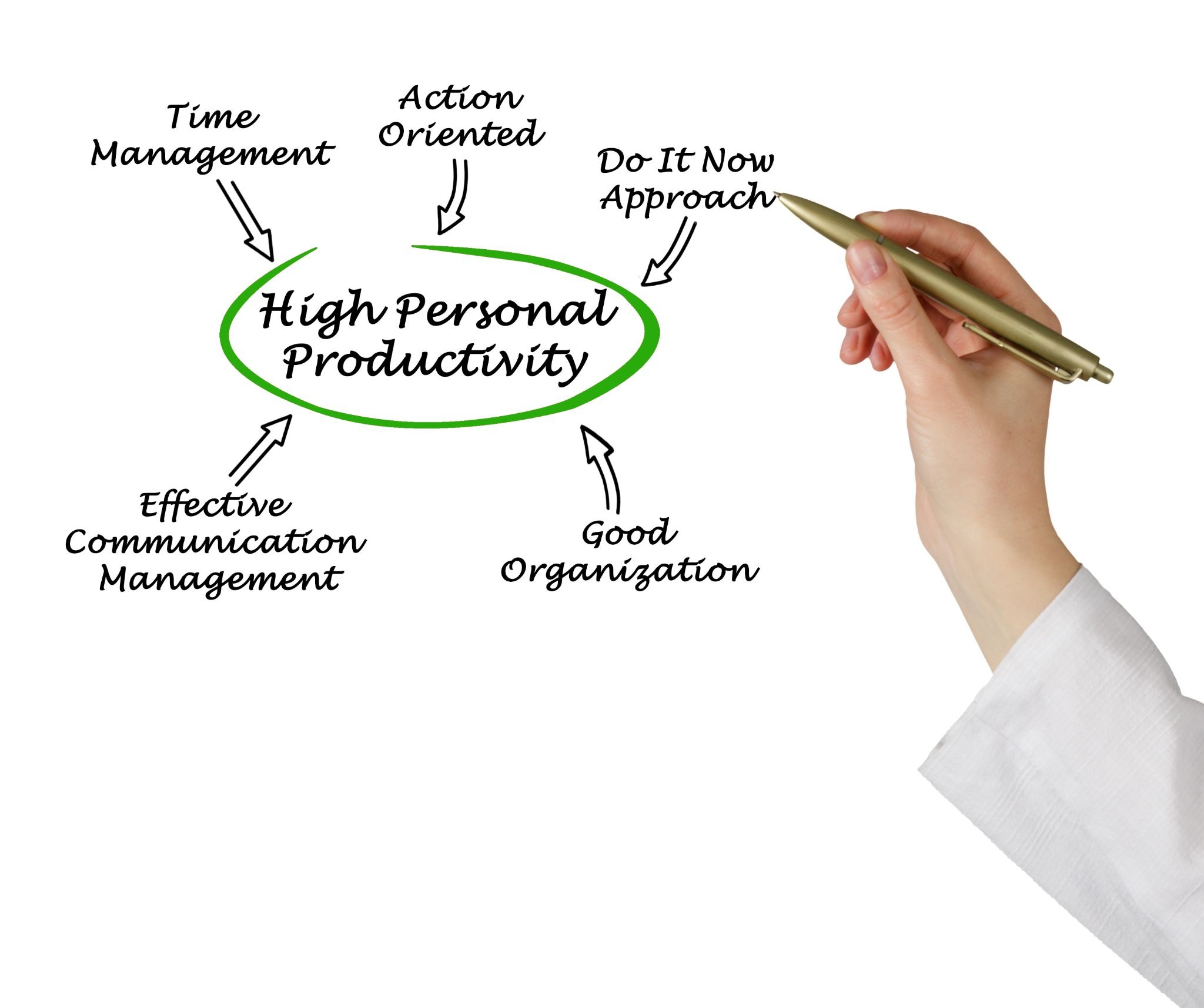
Being a busy professional can sometimes feel overwhelming. You juggle meetings, deadlines, and emails, all while trying to maintain a sense of balance in your life. It’s no wonder that many people are looking for ways to improve their productivity as professionals. The good news is that there are plenty of strategies to help you manage your time and tasks more effectively. In this blog, we’ll explore some practical tips that can help you get more done while still enjoying your personal life.
Understanding Productivity in a Professional Context
So, what exactly is productivity for professionals? At its core, it’s about getting more done in less time without compromising the quality of your work. However, many professionals face common barriers that can hinder their productivity. These include distractions from technology, unclear goals, and poor time management. When these obstacles arise, they can lead to frustration and burnout.
High productivity is essential not just for your career growth but also for your well-being. When you manage your time effectively, you can reduce stress and create space for personal activities. This balance is crucial for long-term success and happiness. Understanding what productivity means in your context is the first step toward mastering it.
Setting Clear Goals and Priorities
One of the most effective ways to increase productivity for professionals is by setting clear goals. Setting goals is not just about writing down what you want to achieve. It’s about making sure those goals are specific and meaningful. The SMART criteria can help you here. Your goals should be Specific, Measurable, Achievable, Relevant, and Time-bound. By following this framework, you can create a roadmap for your tasks and ensure you stay focused.
Once you have established your goals, it’s time to prioritize your tasks. Not all tasks are created equal. Some have deadlines that are looming, while others might be important but less urgent. Using the Eisenhower Matrix can help you distinguish between tasks that are urgent and those that are important. This technique allows you to focus on what truly matters, reducing the noise and chaos that often accompany a busy workday.
Time Management Techniques for Busy Professionals
Managing your time effectively is another critical aspect of productivity for professionals. One popular method is the Pomodoro Technique. This technique involves working for 25 minutes straight, followed by a five-minute break. After four cycles, you take a longer break of around 15 to 30 minutes. This approach can help maintain your focus and prevent burnout, making it easier to tackle tasks without feeling overwhelmed.
Another helpful method is time blocking. This involves scheduling specific blocks of time for different tasks throughout your day. By allocating time for each activity, you create a sense of structure that can enhance your productivity. Time blocking allows you to dedicate your full attention to one task at a time, reducing the temptation to multitask. This technique is especially useful for professionals who juggle multiple projects or responsibilities.
Leveraging Technology for Improved Efficiency
In today’s digital world, technology can be a great ally in boosting productivity for professionals. There are countless productivity apps and tools designed to help you manage your tasks and time effectively. Tools like Trello or Asana can help you keep track of your projects and deadlines, while apps like Evernote can assist with note-taking. These tools help streamline your workflow and keep everything organized in one place.
Automation is another powerful way to improve efficiency. Many tasks can be automated, saving you time and reducing the risk of human error. For instance, you can automate email responses, schedule social media posts, or set reminders for important deadlines. By automating repetitive tasks, you free up valuable time that you can redirect toward more meaningful work.
Creating a Productive Work Environment
Your work environment significantly impacts your productivity and overall well-being. A well-organized and thoughtfully designed workspace can help you focus better, reduce stress, and ultimately enhance your performance. To create a productive work environment, consider the following aspects:
Decluttering Your Space
Start by decluttering your physical space. Remove unnecessary items from your desk and the surrounding area. A clean, tidy workspace promotes clarity and helps you concentrate on your tasks without distractions. Consider using organizers, such as trays or shelves, to keep essential supplies within reach while creating a visually appealing setting. Regularly reassess your workspace to ensure that it remains clutter-free and conducive to productivity.
Organizing Your Digital Workspace
In addition to physical organization, pay attention to your digital workspace. Streamlining your digital files and emails can help you locate important documents quickly, saving you time and frustration. Create a logical folder structure and regularly archive or delete outdated materials to keep your digital space clutter-free. Consider using tools and apps that assist with task management and organization, ensuring that your digital environment supports your productivity.
Enhancing Lighting
Lighting plays a crucial role in your productivity. Natural light is ideal, as it boosts mood and energy levels. If natural light is limited, consider investing in high-quality artificial lighting that mimics daylight. Position your desk near windows if possible, or use desk lamps that offer adjustable brightness to create a comfortable working environment.
Minimizing Distractions
Another vital aspect of a productive work environment is minimizing distractions. In a busy office or home setting, distractions can come from various sources, such as noise or constant interruptions from colleagues or family members. Noise-canceling headphones can help you concentrate by blocking out background noise, while establishing a “do not disturb” signal can communicate your need for focus to others.
Personalizing Your Workspace
Finally, personalizing your workspace can enhance your productivity. Adding elements that inspire you, such as artwork, plants, or personal photos, can create a positive atmosphere that motivates you to work. Plants, in particular, can improve air quality and add a touch of nature, contributing to a calming environment. By taking the time to cultivate a productive work environment, you set yourself up for success and create the conditions necessary for achieving your goals.
The Role of Breaks in Enhancing Productivity
It might seem counterintuitive, but taking regular breaks can significantly enhance productivity for professionals. Research shows that stepping away from your work can boost creativity and improve focus. Breaks give your brain a chance to recharge, allowing you to return to your tasks with renewed energy.
Incorporating mindfulness and relaxation techniques into your breaks can also be beneficial. Simple practices like deep breathing or a quick walk can help clear your mind and reduce stress. These activities can recharge your mental energy, making it easier to tackle your work when you return.
Maintaining Work-Life Balance
Achieving productivity for professionals is not just about getting work done; it’s also about maintaining a healthy work-life balance. Setting boundaries between your professional and personal life is essential. When your workday ends, try to disconnect completely. This separation helps prevent burnout and allows you to enjoy your personal time fully.
Prioritizing your well-being is equally important. Engage in self-care practices that nurture both your physical and mental health. Activities like exercise, reading, or spending time with loved ones can help recharge your batteries. When you take care of yourself, you will find it easier to stay productive and focused at work.
Conclusion
Improving productivity for professionals is a journey, not a destination. By setting clear goals, managing your time effectively, and creating a supportive work environment, you can enhance your productivity. Remember that taking breaks and maintaining a work-life balance are just as important as getting tasks done.
Implementing these strategies can help you achieve your goals while also enjoying a fulfilling personal life. As you try out these tips, you may find what works best for you. Every small change can lead to a more productive and balanced life, making your work experience more enjoyable.
FAQs
1. What are some effective productivity tips for professionals?
Effective productivity tips for professionals include setting clear goals, managing time wisely, minimizing distractions, and taking regular breaks to recharge mental energy.
2. How can I set clear goals for my work?
You can set clear goals by using the SMART criteria, ensuring your goals are specific, measurable, achievable, relevant, and time-bound for better focus and direction.
3. What is the Pomodoro Technique?
The Pomodoro Technique involves working for 25 minutes, followed by a five-minute break. This method helps enhance focus and prevent burnout during busy work periods.
4. How can technology help improve my productivity?
Technology can improve productivity by offering tools for task management, scheduling, and automating repetitive tasks, allowing you to focus on more important work.
5. Why is maintaining work-life balance important for productivity?
Maintaining work-life balance prevents burnout and promotes well-being. When you disconnect from work, you can recharge, making it easier to stay productive and engaged at work.