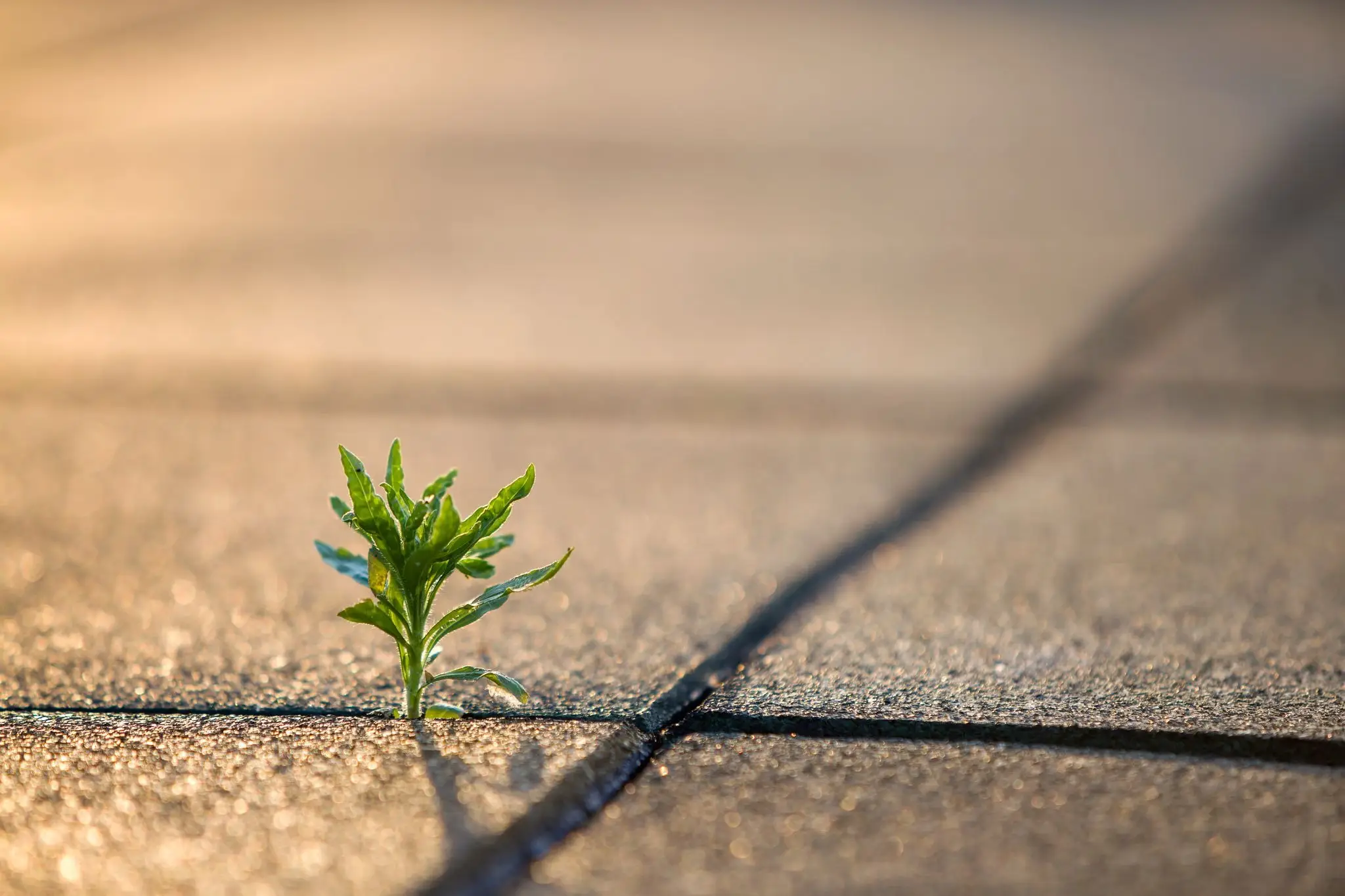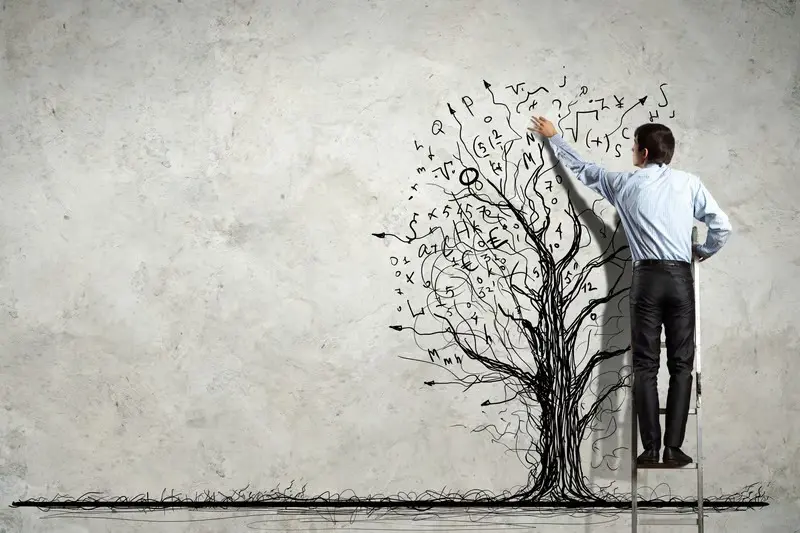
Personal growth has become one of the most valuable pursuits in modern life. People no longer define success only through money, titles, or possessions. Many now realize that true fulfillment comes from continuous improvement, emotional balance, stronger relationships, and a deeper understanding of themselves. This shift has made personal growth practices an essential part of both career development and overall well-being.
In a fast-moving world filled with distractions, pressure, and constant comparison, personal growth helps individuals stay grounded and focused. It creates the ability to adapt, recover from setbacks, and make decisions with greater confidence. The people who continue growing emotionally, mentally, and professionally are often the ones who achieve long-term success in both their personal and professional lives.
Personal development is not about becoming perfect. It is about becoming more aware, disciplined, and intentional over time. Small daily improvements often create the biggest transformations. A person who consistently develops healthy habits, emotional intelligence, and resilience eventually builds a stronger foundation for success than someone who relies only on temporary motivation.
Understanding the Real Meaning of Personal Growth
Moving Beyond Motivation and Temporary Inspiration
Many people misunderstand personal growth because they associate it only with motivational speeches or short bursts of inspiration. While motivation can help people take the first step, real growth depends on consistent action and long-term discipline. Temporary excitement fades quickly if it is not supported by habits and self-awareness.
Personal growth practices involve changing thought patterns, improving emotional control, developing stronger routines, and learning how to respond better to challenges. These practices gradually influence every part of life, including work performance, relationships, confidence, and mental health.
True growth often happens quietly. It appears in the way someone handles stress more calmly, communicates more clearly, or recovers from failure with greater strength. These internal changes may seem small at first, but over time they completely reshape a person’s direction in life.
How Daily Habits Shape Long-Term Results
Habits play a central role in personal development because daily actions eventually become identity. Small routines repeated consistently create long-term change more effectively than dramatic short-term efforts.
A person who reads for twenty minutes every day gains knowledge steadily over time. Someone who practices reflection or journaling develops stronger emotional awareness. Even simple habits like waking up earlier, exercising regularly, or limiting unnecessary screen time can improve focus and productivity significantly.
The power of personal growth practices lies in consistency. Sustainable improvement rarely comes from extreme actions. It usually comes from repeated small choices that gradually build confidence, discipline, and clarity.
Why Personal Growth Practices Influence Career Success
Building Confidence in Professional Environments
Career success depends on far more than technical ability. Confidence, communication, adaptability, and emotional intelligence often determine how individuals perform in professional settings. Personal growth practices strengthen these qualities naturally over time.
People who work on self-development tend to become more comfortable expressing ideas, handling criticism, and taking initiative. They learn how to manage pressure without becoming emotionally overwhelmed. These traits help professionals stand out in competitive environments.
Confidence also affects leadership potential. Employers and teams often trust individuals who remain calm, solution-focused, and emotionally balanced during difficult situations. Personal growth creates this type of internal stability.
Improving Decision-Making and Leadership Skills
Strong decision-making develops through experience, self-awareness, and reflection. Personal development encourages individuals to think critically rather than react impulsively. This ability becomes especially important in leadership positions where choices affect teams, businesses, and long-term outcomes.
Leadership is not only about authority. It is about communication, empathy, responsibility, and emotional control. Personal growth practices improve these areas by helping individuals understand themselves more deeply.
Professionals who continuously learn and improve are often better prepared for changing industries and evolving workplace expectations. Growth-oriented individuals adapt faster because they are comfortable learning new skills and adjusting their mindset when necessary.
The Role of Self-Awareness in Personal Development
Recognizing Strengths and Limiting Behaviors
Self-awareness is one of the most important foundations of personal growth. People cannot improve effectively if they do not understand their own behaviors, emotional triggers, strengths, and weaknesses.
Many individuals repeat unhealthy patterns without realizing it. Some avoid difficult conversations, procrastinate under pressure, or struggle with self-doubt. Personal growth practices encourage honest reflection that helps identify these habits.
Recognizing strengths is equally important. Self-awareness allows individuals to use their natural abilities more effectively while working intentionally on weaker areas. This balance creates confidence without arrogance and humility without insecurity.
Emotional Intelligence and Better Relationships
Emotional intelligence has become increasingly valuable in modern life and work. It involves recognizing emotions, managing reactions, understanding others, and communicating effectively during stressful situations.
People with strong emotional intelligence often build healthier relationships because they listen better, respond thoughtfully, and show empathy. Personal growth practices such as mindfulness, reflection, and active listening strengthen emotional awareness naturally.
Relationships improve when individuals become more emotionally mature. Better communication reduces misunderstandings, builds trust, and creates stronger personal and professional connections.
Creating Productive Habits That Support Growth
The Psychology Behind Consistency
Consistency matters because the brain adapts to repeated behaviors. Habits eventually become automatic, reducing the mental effort required to maintain them. This is why successful individuals often focus heavily on routines rather than relying only on willpower.
Personal growth practices become sustainable when they fit naturally into daily life. Trying to change everything at once often creates frustration and burnout. Gradual improvement produces more lasting results.
Consistency also builds confidence. Every completed habit reinforces the belief that change is possible. Over time, this creates momentum that makes personal development feel more achievable and rewarding.
Small Actions That Create Massive Results Over Time
Many life-changing improvements begin with small actions that appear insignificant initially. Writing a few thoughts each morning may improve clarity and emotional regulation. Walking daily may increase energy and mental focus. Practicing gratitude may gradually shift perspective toward optimism.
These changes compound over time. Months of consistent effort often produce results that feel dramatic compared to where someone started. The key is patience and persistence rather than perfection.
Time Management and Focus as Growth Practices
Eliminating Distractions in a Digital World
Modern technology creates constant distractions that reduce focus and productivity. Notifications, social media, and endless digital content make it difficult for many people to concentrate deeply on meaningful goals.
Personal growth practices often involve learning how to manage attention intentionally. This may include limiting screen time, creating structured schedules, or setting boundaries around digital consumption.
Focus has become one of the most valuable skills in modern life. Individuals who protect their attention often accomplish more while experiencing less mental exhaustion.
Prioritizing Goals Without Feeling Overwhelmed
Many people struggle with productivity because they try to pursue too many goals simultaneously. Personal growth encourages prioritization and clarity rather than constant busyness.
Successful individuals understand the importance of focusing on high-impact activities. They learn how to separate urgent distractions from meaningful progress. This approach reduces stress while improving efficiency.
Time management is ultimately about energy management. Protecting mental energy allows individuals to perform consistently without reaching burnout.
Mental Resilience and the Ability to Handle Failure
Why Setbacks Often Lead to Personal Transformation
Failure is one of the most powerful teachers in personal growth. Difficult experiences often force individuals to reevaluate priorities, improve habits, and develop emotional strength.
People who avoid failure completely may also avoid growth opportunities. Challenges build resilience because they teach patience, adaptability, and problem-solving under pressure.
Many successful individuals experienced repeated setbacks before achieving meaningful progress. Their ability to continue learning and improving despite obstacles became a major source of strength.
Developing a Stronger Mindset During Difficult Times
Mental resilience does not mean ignoring emotions or pretending problems do not exist. It means learning how to respond constructively during difficult moments.
Personal growth practices such as journaling, meditation, therapy, or self-reflection help individuals process emotions more effectively. These habits create emotional stability that supports better decision-making under stress.
Resilient individuals understand that setbacks are temporary. They focus on learning, adapting, and moving forward rather than remaining trapped in frustration or self-doubt.
The Importance of Lifelong Learning and Curiosity
Reading, Courses, and Skill Development
Continuous learning keeps the mind flexible and engaged. People who actively seek knowledge often adapt more successfully to changing industries and opportunities.
Reading books, taking courses, attending workshops, and learning new skills all contribute to personal growth. These activities expand perspective and encourage critical thinking.
Curiosity also keeps life interesting. Individuals who remain open to learning often experience greater creativity and motivation throughout their lives.
Adapting to Changing Career Opportunities
Modern careers evolve rapidly due to technology and economic changes. Skills that were valuable years ago may become outdated quickly. Personal growth practices help individuals stay competitive by encouraging adaptability and continuous improvement.
Professionals who embrace learning often identify new opportunities faster. They remain flexible instead of resisting change, which allows them to grow alongside evolving industries.
Health, Energy, and Personal Performance
The Link Between Physical Wellness and Productivity
Mental performance depends heavily on physical health. Energy, concentration, mood, and emotional stability are all influenced by sleep, exercise, and nutrition.
People often underestimate how strongly physical wellness affects career performance and personal growth. Chronic exhaustion reduces motivation, patience, and mental clarity.
Regular movement improves stress management and cognitive function. Exercise also supports confidence and emotional balance, making it a powerful personal growth practice.
Sleep, Nutrition, and Mental Clarity
Sleep plays a critical role in memory, focus, and emotional regulation. Poor sleep habits gradually reduce productivity and increase stress levels.
Nutrition also affects energy and concentration. Balanced eating habits help stabilize mood and support consistent performance throughout the day.
Personal growth becomes more sustainable when individuals prioritize health alongside professional ambitions.
Communication Skills and Personal Growth
How Better Communication Creates More Opportunities
Communication affects nearly every part of life. Strong communicators often build better relationships, resolve conflicts more effectively, and create stronger professional opportunities.
Personal growth practices improve communication by encouraging emotional awareness and active listening. People who communicate clearly tend to earn greater trust and respect.
Confidence in communication also improves leadership potential and collaboration skills.
Listening Skills and Emotional Connection
Listening is often more powerful than speaking. Many people focus on responding quickly rather than understanding deeply. Personal development encourages patience, empathy, and thoughtful conversation.
Strong listening skills improve emotional connection and reduce misunderstandings. They also help individuals learn more effectively from others.
Relationships and the Influence of Positive Environments
Surrounding Yourself With Growth-Oriented People
Environment strongly influences mindset and behavior. People often adopt the attitudes, habits, and expectations of those around them.
Growth-oriented relationships encourage accountability, learning, and positivity. Supportive environments make personal development feel more achievable and sustainable.
Healthy relationships also provide emotional encouragement during difficult periods.
Protecting Mental Energy From Toxic Influences
Negative environments drain motivation and emotional energy. Constant criticism, manipulation, or negativity can slow personal progress significantly.
Personal growth sometimes requires setting boundaries with unhealthy influences. Protecting mental energy allows individuals to focus more effectively on their goals and well-being.
Technology and Modern Personal Growth Practices
Using Digital Tools for Self-Improvement
Technology can support personal growth when used intentionally. Educational platforms, productivity apps, meditation tools, and online learning communities provide valuable resources for self-improvement.
Digital tools help individuals organize goals, track habits, and access educational content more easily than ever before.
Avoiding Burnout in the Age of Constant Connectivity
While technology offers many benefits, constant connectivity can also create stress and mental fatigue. Personal growth requires periods of rest, reflection, and disconnection.
Healthy boundaries around technology improve focus, sleep quality, and emotional balance. Learning when to disconnect is now an important modern growth skill.
Expert Advice for Building Sustainable Personal Growth Habits
Experts recommend starting small rather than trying to transform every aspect of life immediately. Building one or two consistent habits creates a stronger foundation for lasting change.
Tracking progress can also increase motivation and self-awareness. Journaling, habit tracking, or weekly reflection helps individuals recognize patterns and celebrate improvement over time.
Patience is essential during personal development. Growth rarely happens in a straight line. There will be setbacks, distractions, and periods of slow progress. The key is maintaining consistency and continuing forward even when results are not immediately visible.
Experts also encourage focusing on long-term fulfillment instead of external validation. Sustainable personal growth comes from internal purpose rather than constant comparison with others.
The Future of Personal Growth in a Fast-Changing World
Personal growth will likely become even more important as technology, careers, and social structures continue evolving rapidly. Adaptability, emotional intelligence, and lifelong learning are becoming essential skills for long-term success.
Future workplaces may prioritize communication, resilience, and creativity as much as technical expertise. Individuals who continue developing themselves emotionally and mentally will likely navigate these changes more effectively.
The growing focus on mental health and work-life balance also highlights the importance of self-awareness and emotional well-being. Personal growth is no longer viewed as optional. It is increasingly recognized as a critical part of sustainable success and fulfillment.
Conclusion
Personal growth practices influence nearly every aspect of life, from career success and emotional resilience to relationships and long-term happiness. True development happens gradually through consistent habits, self-awareness, and intentional action.
People who commit to personal growth often become more adaptable, confident, and emotionally balanced over time. They learn how to handle setbacks more effectively, communicate more clearly, and pursue goals with greater purpose.
Success is not only about external achievements. It is also about becoming stronger internally while building a meaningful and fulfilling life. Personal growth creates the foundation that allows individuals to thrive professionally while maintaining emotional well-being and authentic happiness.
FAQs
What are the most effective personal growth practices?
Some of the most effective personal growth practices include journaling, goal setting, regular reading, exercise, mindfulness, emotional reflection, and continuous learning. Consistency matters more than intensity because small daily habits create long-term improvement.
How long does personal growth usually take?
Personal growth is a lifelong process rather than a short-term goal. Some changes may appear within weeks, while deeper emotional and behavioral transformations often develop gradually over months or years through consistent effort.
Can personal growth improve career success?
Yes, personal growth can significantly improve career success by strengthening communication, confidence, emotional intelligence, leadership ability, resilience, and adaptability. These qualities often influence professional advancement and workplace relationships.